VELA Medical Raises Awareness of New Federal Accessibility Rules for Medical Equipment
VELA Medical highlights new U.S. accessibility rules for medical equipment and urges clinics to consider patient
Press Release Disclaimer: This is a press release distributed through the XPR Media network. It has not been independently verified by our newsroom.
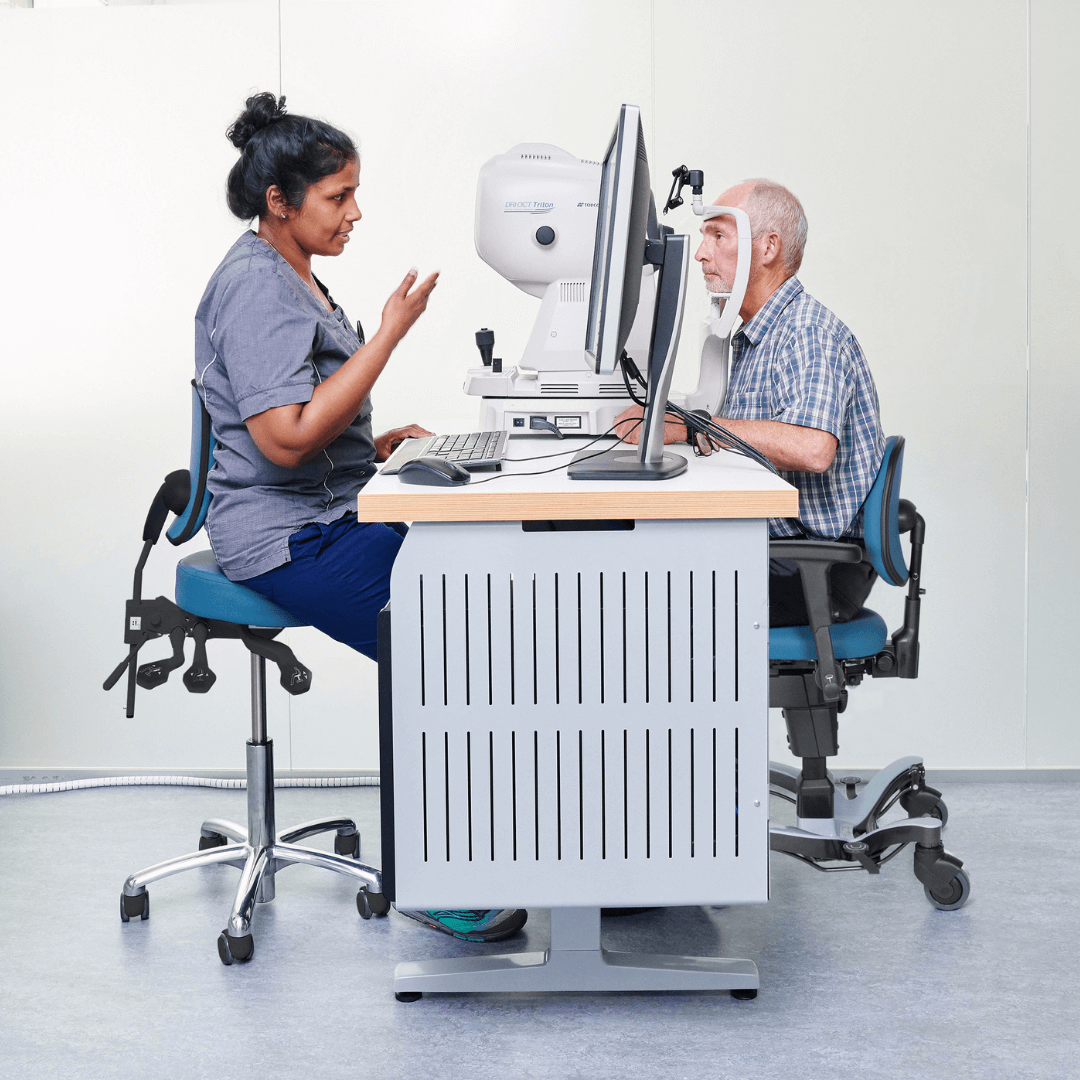

VELA Medical highlights new U.S. accessibility rules for medical equipment and urges clinics to consider patient transfers, positioning, and clinical workflows.
TAMPA, FL, UNITED STATES, September 18, 2026 /EINPresswire.com/ — New federal accessibility requirements are changing how U.S. healthcare providers evaluate medical diagnostic equipment and patient transfers. Under updated Section 504 rules from the U.S. Department of Health and Human Services (HHS), covered providers must increase their use of accessible medical diagnostic equipment, including examination chairs, tables, scales, mammography equipment and radiological equipment.
For many providers, the changes mean accessibility will play a greater role in future equipment purchases and clinical planning.
Accessibility goes beyond equipment dimensions
The requirements are especially relevant in specialties such as ophthalmology, where patients need to be positioned accurately in relation to diagnostic equipment.
In its 2024 rulemaking, the U.S. Access Board reviewed 11 optometry and ophthalmology chairs on the market. None met the low transfer-height range in effect at the time, highlighting the challenges clinics can face when accommodating patients with limited mobility.
“Accessibility is about more than a specification on a product sheet,” said Thea Johansen, Physical Therapist and Product Field Manager at VELA. “Providers also need to consider how patients reach the equipment, whether a transfer is really necessary and how they can be positioned safely and comfortably.”
Reducing unnecessary patient transfers
Federal accessibility standards also recognize situations where patients may remain seated in a wheelchair during an examination. The U.S. Access Board has noted that, for some procedures, including certain eye examinations, avoiding unnecessary transfers may help reduce transfer-related risks.
This means clinics may need to look beyond individual pieces of equipment and consider the full patient journey – from entering the exam room to positioning, examination and transfer. The VELA Move+ Ophthalmology Chair supports the full patient journey while enabling practitioners to maintain an ergonomic posture and guide patients safely and efficiently through each stage of the workflow.
As providers review their equipment and workflows, key questions include:
– Do we have enough accessible equipment?
– Is transferring the patient necessary for the examination?
– Can staff position and assist patients safely?
Healthcare organizations can find additional guidance through the HHS Section 504 guidance and the U.S. Access Board’s Medical Diagnostic Equipment Accessibility Standards.
As healthcare providers adapt to the new requirements, VELA Medical encourages clinics to consider accessibility not only as a compliance issue, but as part of the wider clinical workflow and patient experience.
About VELA Medical
VELA Medical designs and manufactures high-quality medical chairs that combine better exam results and safe patient handling with ergonomic support for healthcare professionals. With a strong focus on ophthalmology, mammography, and radiology specialties, VELA Medical products are developed to improve clinical workflows, increase patient comfort, and reduce strain for staff. By delivering adjustable patient chairs that support safe positioning and efficient patient flow, VELA Medical helps clinics meet the growing demand of patients while mitigating work-related risks for healthcare professionals.
Sources
– U.S. Access Board final rule, 17-inch standard + market review (Federal Register, July 25, 2024): https://www.federalregister.gov/documents/2024/07/25/2024-16266/standards-for-accessible-medical-diagnostic-equipment
– HHS Section 504 final rule, section-by-section fact sheet: https://www.hhs.gov/civil-rights/for-individuals/disability/section-504-rehabilitation-act-of-1973/ocr-detailed-504-fact-sheet/index.html
– DOJ final rule on MDE accessibility (ADA Title II), full text: https://www.ada.gov/assets/pdfs/mde-rule.pdf
– Federal Register, DOJ Title II rule: https://www.federalregister.gov/documents/2024/08/09/2024-16889/nondiscrimination-on-the-basis-of-disability-accessibility-of-medical-diagnostic-equipment-of-state
– U.S. Access Board announcement of DOJ adoption: https://www.access-board.gov/news/2024/08/13/department-of-justice-adopts-access-board-s-minimum-standards-for-accessible-medical-diagnostic-equipment/
Julie Frandsen
VELA Medical
email us here
Visit us on social media:
Facebook
YouTube
See How VELA Move+ Reduces Patient Transfers During Eye Exams
Legal Disclaimer:
EIN Presswire provides this news content “as is” without warranty of any kind. We do not accept any responsibility or liability
for the accuracy, content, images, videos, licenses, completeness, legality, or reliability of the information contained in this
article. If you have any complaints or copyright issues related to this article, kindly contact the author above.

Media gallery